
Uncategorized
-
Caregiver Guilt During Hospice: The Feelings No One Talks About

Hospice caregiving brings a complex mix of feelings that caregivers often feel hesitant to express due to fear of judgment. It’s normal to experience exhaustion, resentment, and even relief after a loved one’s death. These feelings reflect deep love and the burden carried, underscoring that caregivers are human and need support.
-
What Hospice Doesn’t Tell You: What Families Wish They’d Known Sooner

I have worked in hospice for over ten years. I have sat with hundreds of families in their living rooms, their bedrooms, their kitchens. And one thing I hear more than almost anything else is: “Why didn’t anyone tell me this?” Hospice, at its best, is one of the most compassionate things our health care…
-
How Do I Know If This Is the End? Signs That Death May Be Near

This is one of the most common questions families ask in hospice care, and it’s one of the hardest to answer. Every change in your loved one’s condition can feel like a signal—and when you’re watching closely, it’s natural to wonder: is this it? Some families find themselves on high alert with every shift in…
-
When Your Loved One Stops Eating: What Families Need to Understand
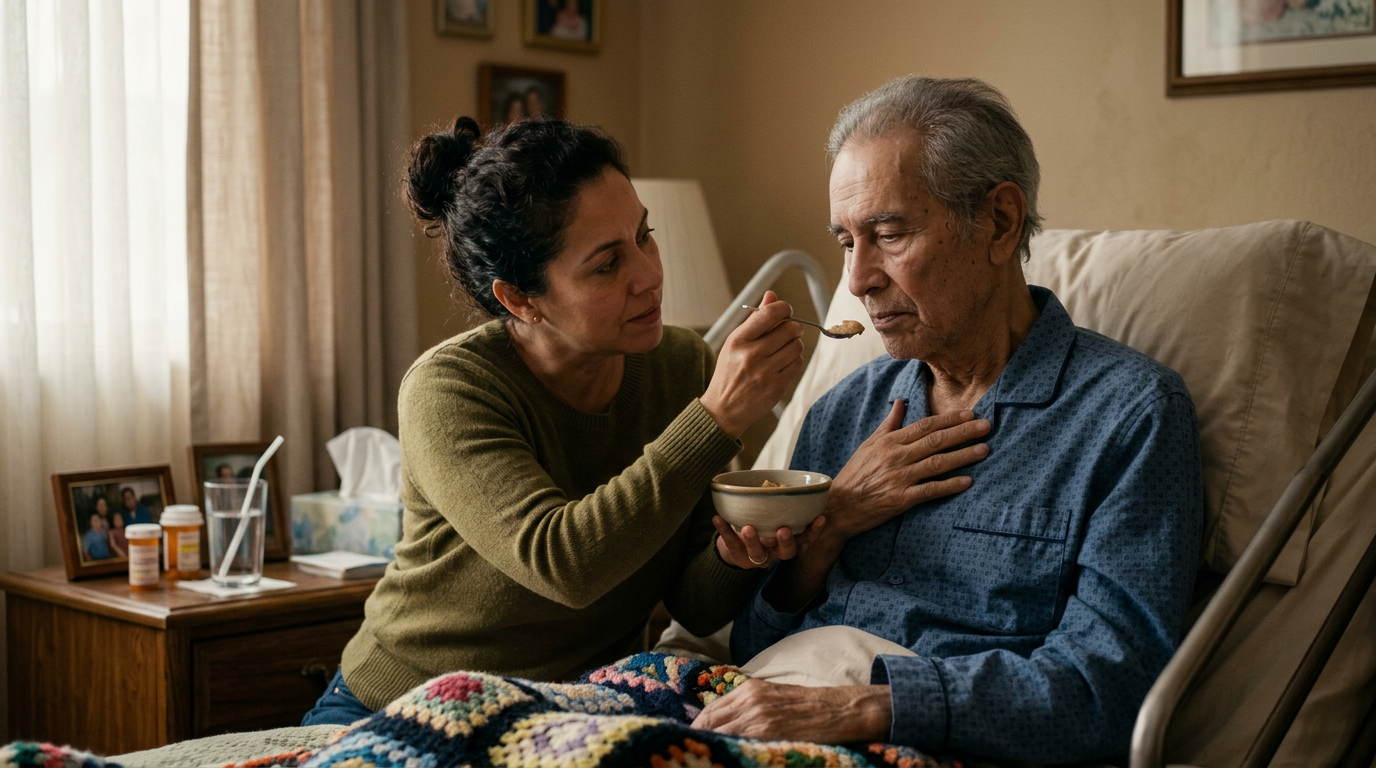
Watching a loved one stop eating during caregiving can be distressing, but it’s important to understand that this loss of appetite is often due to medical conditions, not defiance. Caregivers should focus on comfort rather than forcing food, as it can cause harm. Presence and nurturing are vital in these moments.
-
Opioids in Hospice: Addiction, Stigma, and What Families Need to Know
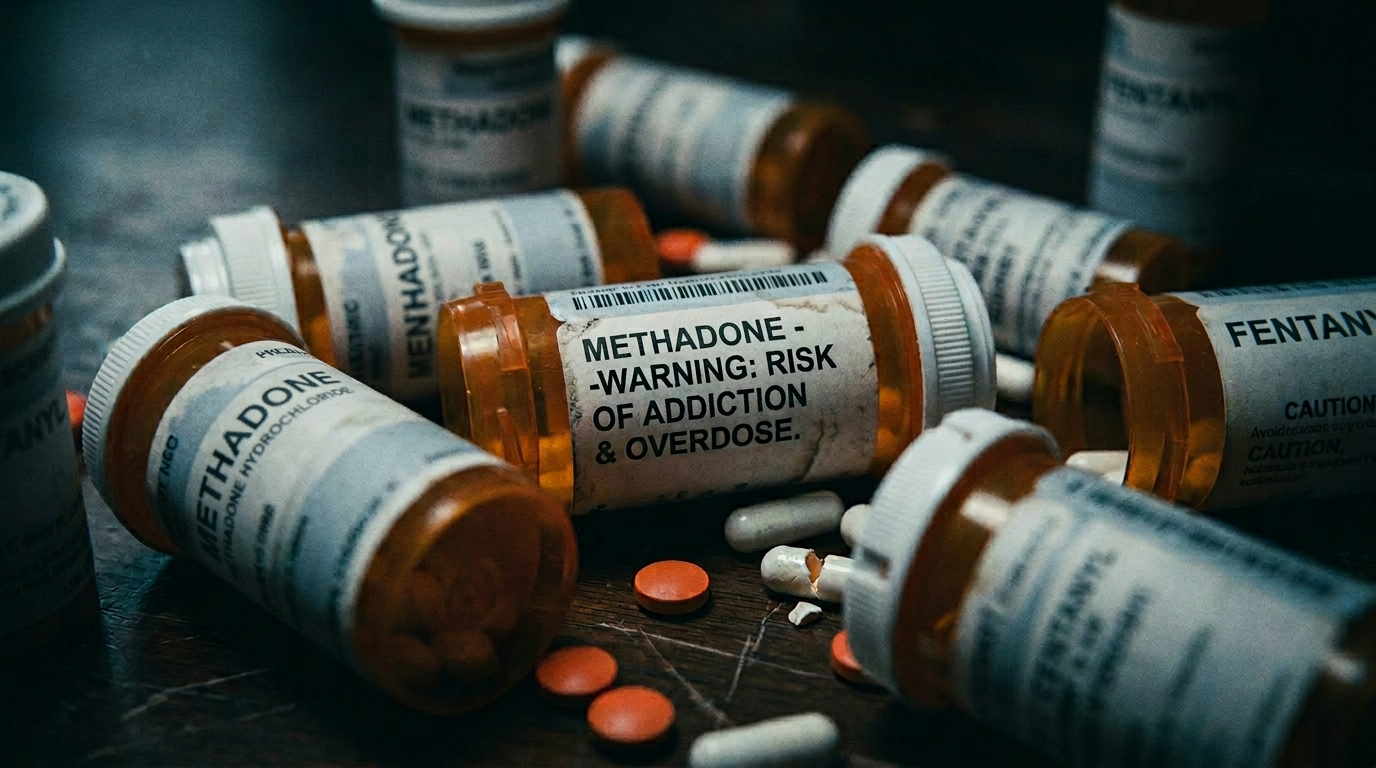
The post discusses the use of opioids, including morphine, fentanyl, and methadone, in hospice care. It acknowledges the stigma surrounding these medications due to the opioid crisis but emphasizes their importance for pain management. The article clarifies misconceptions about addiction, explaining that opioids are prescribed carefully and for specific medical needs, prioritizing patient comfort and…
-
Morphine in Hospice: The Truth Behind the Fear
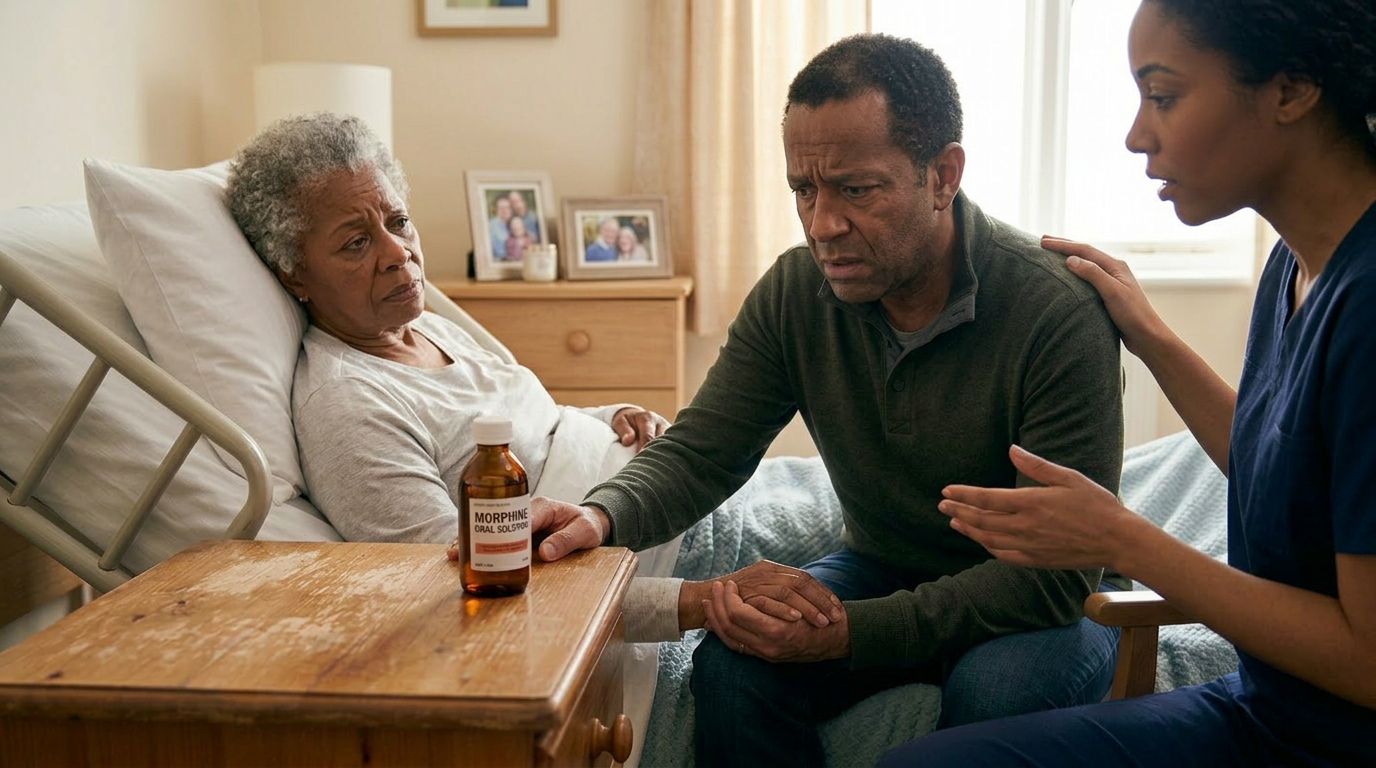
This post addresses common fears surrounding morphine, clarifying that it is not exclusively an end-of-life medication but used to alleviate pain and shortness of breath in various medical situations. Understanding its purpose can help families make informed decisions while dispelling misconceptions about its association with dying. Knowledge reduces fear.
-
What Medications Are Used in Hospice and Why

When a loved one enters hospice care, a comfort kit with essential medications may arrive, aimed at managing symptoms like pain, anxiety, and nausea. These medications, such as morphine and lorazepam, are used to enhance comfort. Caregivers should consult hospice nurses for guidance on their use, ensuring safe and effective care.
-
What Is Hospice? Everything Families Need to Know

When a loved one is referred to hospice, it signifies a shift from curative treatment to comfort care for serious illnesses. Hospice focuses on managing symptoms and providing support at home, with a team of professionals assisting patients and families. It is not a fixed timeline for death, but rather a means to enhance quality…