
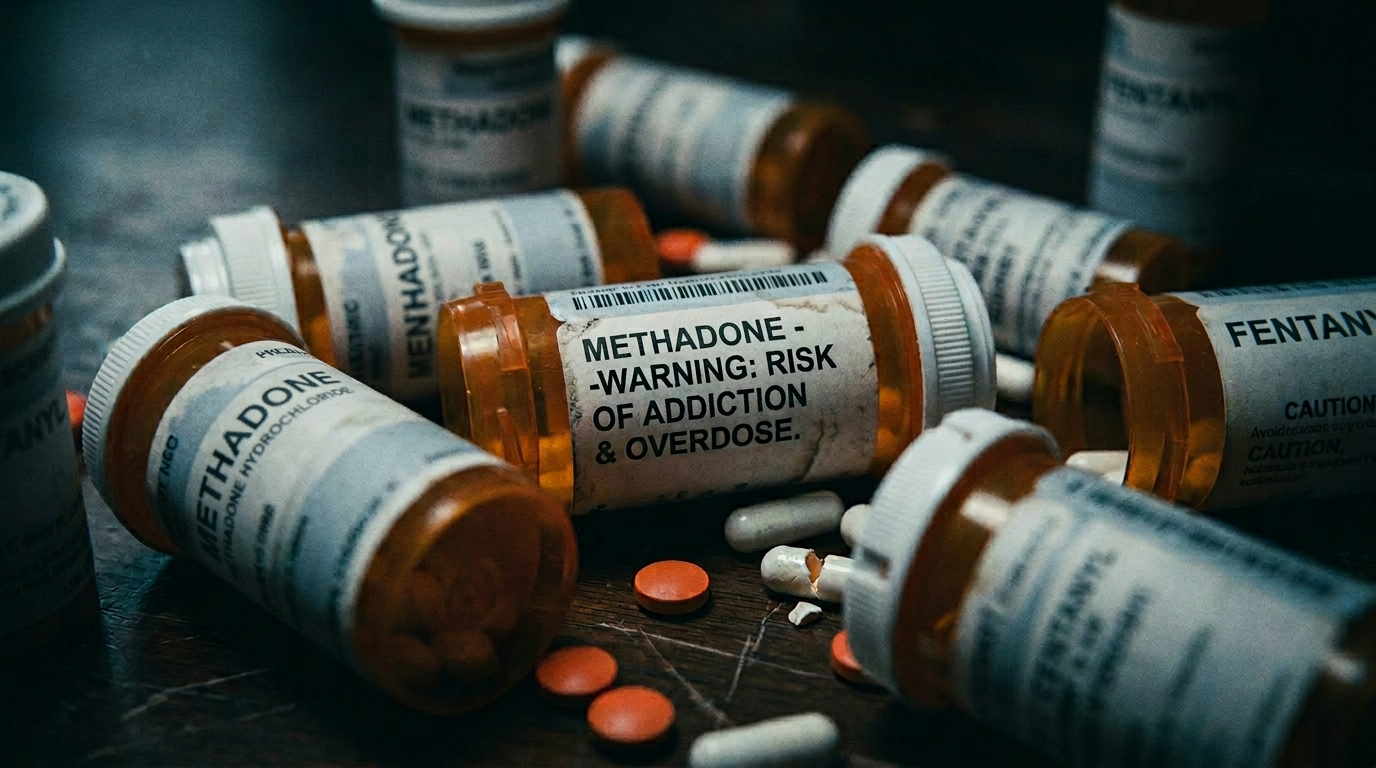
In another post, we talked about morphine. It is the most common pain medication used in hospice. But it is not the only one.
Your loved one’s doctor may also prescribe other opioids. These include fentanyl, methadone, and others. The choice depends on the type of pain, how the body responds, and what works best for your loved one.
If hearing those names scared you, that’s okay. You are not alone. These drugs carry a lot of fear and shame because of the opioid crisis. But in hospice, they are used very differently than what you see in the news. Let us explain.
Why Families Are Afraid of These Drugs
The fear makes sense. The opioid crisis has killed hundreds of thousands of people. You’ve seen the news. You may know someone who struggled with addiction. Fentanyl has become the face of overdose deaths. Methadone is linked in most people’s minds to heroin treatment.
So when one of these names shows up on your loved one’s prescription, it can feel wrong. We understand that.
But here is what changes everything: the setting. The fentanyl in the news is almost always made illegally. It is taken in unknown doses. There is no doctor involved. The fentanyl used in hospice is made to exact standards. It is given in precise, small doses. A doctor is watching closely. These are not the same thing, even though they share a name.
Will My Loved One Get Addicted?
This is one of the most common questions we hear. The short answer is no.
Addiction means a person seeks out a drug even when it hurts them. They use it for reasons other than pain. They can’t stop even when they want to. That is not what is happening in hospice. Your loved one is taking a prescribed medication to control real pain from a serious illness.
What families sometimes see and mistake for addiction is the body getting used to a dose. This is called tolerance. It is normal. If your loved one needs a higher dose after a few weeks, it does not mean they are addicted. It means the disease is getting worse and the old dose is not enough. The doctor expects this and adjusts the plan.
There is also something called physical dependence. This means the body would have withdrawal symptoms if the drug were stopped suddenly. This happens with many common medications—blood pressure pills, some antidepressants, and steroids all do this too. It is a normal body response. It is not addiction.
The opioid crisis is real. But it belongs to a different situation than the one your family is in. Your loved one is not at risk of becoming addicted. They are getting medicine to control suffering.
Fentanyl in Hospice: Not What You Think
In hospice, fentanyl is usually given as a skin patch. It is a small sticky patch placed on the skin. It releases a steady, low dose of medicine over 72 hours—that’s three days.
This is very different from the illegal fentanyl you hear about. The patch works slowly and steadily. There is no sudden rush or spike. It is one of the safest ways to give this medication.
The patch is helpful for patients who can no longer swallow pills. It is also good for people who need steady pain control all day and night. Because it only needs to be changed every three days, it is easier on both the patient and the family.
Studies show that the fentanyl patch controls pain as well as morphine. Some patients have fewer side effects like constipation. For certain patients—especially those with kidney problems or trouble swallowing—fentanyl is a reliable choice.
Methadone in Hospice: A Drug With an Unfair Name
If fentanyl carries fear, methadone carries shame. And that shame is undeserved.
Methadone was created in the 1930s and 1940s as a pain medication. It was approved in the United States in 1947—for pain. It was not until the 1970s that clinics began using it to treat heroin addiction. Over time, people forgot that methadone was a pain drug first.
We have had patients hear the word “methadone” and say, “I don’t use heroin.” That tells you how deep the stigma goes.
But in hospice, methadone is prescribed for one reason: it is very good at treating pain. In some cases, it can do things other pain medications cannot.
Some pain comes from nerve damage. This is common in patients who have had chemotherapy or who have tumors pressing on nerves. It often feels like burning, stabbing, or tingling. Most opioids do not treat this type of pain well. Methadone does, because it works on a different part of the brain than other opioids.
Methadone also has other benefits. It causes less constipation than morphine. It works well in patients with kidney problems. It costs much less than most other opioid medications. And it causes fewer side effects like confusion or muscle twitching.
Methadone does need to be watched more closely than some other drugs. It stays in the body for a long time, and dose changes must happen slowly—usually no more often than every five to seven days. This is why it is usually prescribed by doctors with extra experience in pain management. But when it is managed well, it can bring relief that other drugs could not.
Why Did the Doctor Choose This Drug?
No opioid is given by default in hospice. The doctor looks at many things before choosing a medication. What kind of pain does your loved one have? Is the current medicine working? Can they swallow? How are their kidneys working? Are there side effects that need to be avoided?
Sometimes the answer is morphine. Sometimes it is fentanyl, because the patient cannot swallow and needs steady pain control. Sometimes it is methadone, because the pain is from nerve damage and other drugs are not helping. Sometimes the doctor switches from one opioid to another. This is common and often helps.
The name of the drug matters less than what it is doing for your loved one. You always have the right to ask: Why this drug? What will it do? What should I watch for? What are the other options? These are not hard questions. They are exactly the right ones.
The Stigma Is Real. The Pain Is Also Real.
We understand that saying yes to an opioid can feel like crossing a line. The fear is real. The stories you’ve heard are real.
But so is the pain. So is the shortness of breath. So is watching someone you love suffer when there is a medicine that could help.
The doctors who prescribe these drugs in hospice are trained in how to use them safely. Doses start low. Patients are watched closely. The goal is never to sedate your loved one. The goal is comfort and the best quality of life for whatever time they have left.
If you have concerns about any medication, please speak up. Ask questions. Push back if something doesn’t feel right. You are part of this care team. But don’t let stigma be the reason your loved one suffers. They deserve better than that. And so do you.
Written by The Hospice Care Bridge Team
With over a decade of hospice nursing experience, because families deserve better.